

ABOUT THE ZINE
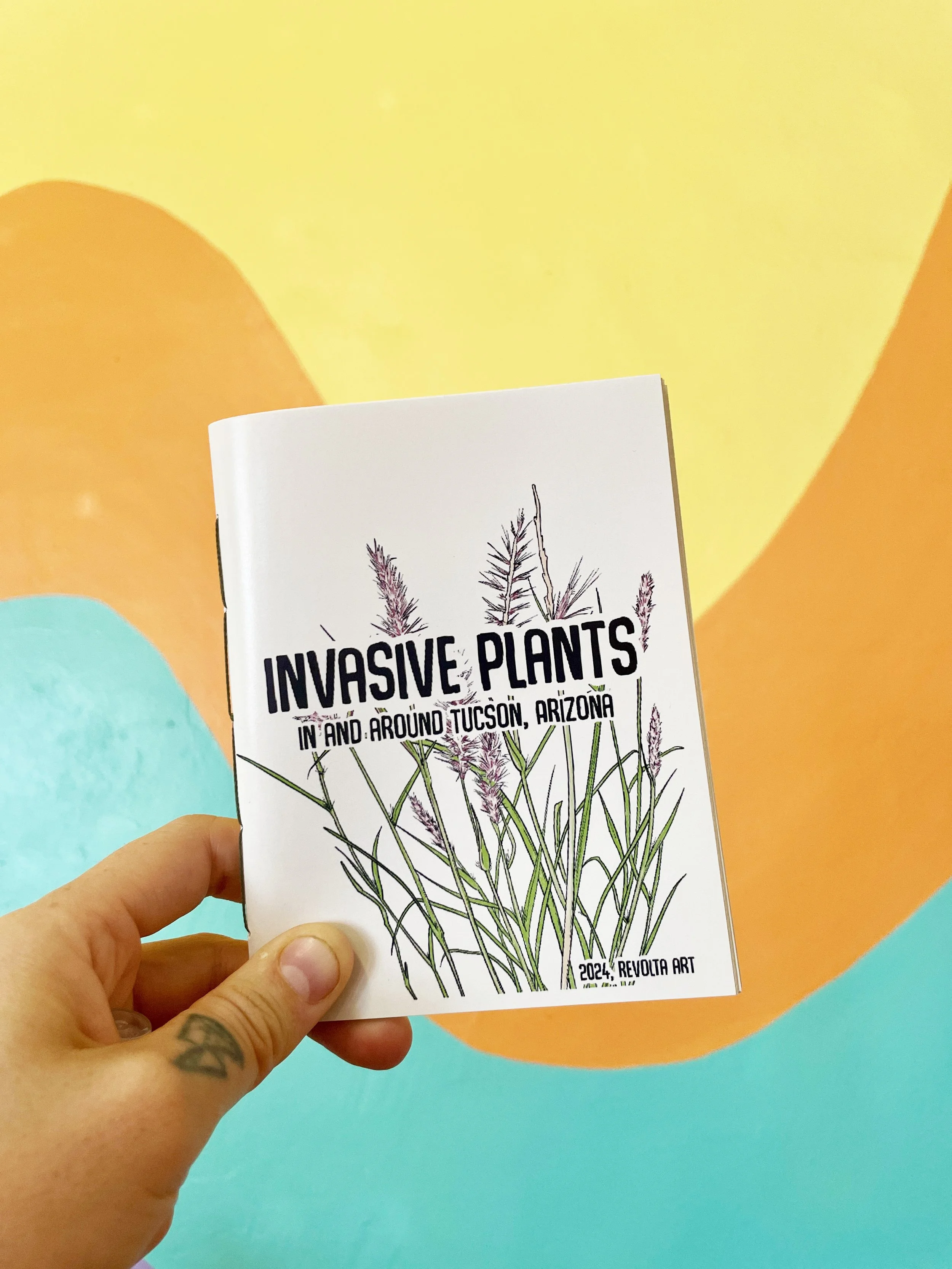
This 43-page illustrated handbook helps identify invasive plants in the Sonoran Desert and Tucson’s urban areas—but it’s more than an ID guide.
It invites readers to look deeper, recognizing plants as reflections of ecosystem conditions, questioning traditional “good vs. bad” narratives, and honoring Indigenous knowledge and stewardship.
This first edition encourages thoughtful, reciprocal relationships with plants: noticing their resilience, exploring potential uses, and reshaping how we respond to the changing desert. It blends practical ID resources with perspectives that foster restoration, coexistence, and community-centered conservation.
Goals:
Reduce the impact of invasive species
Explore beneficial qualities for collective good
Share evolving, community-centered knowledge
Reimagine conservation through inclusive, justice-oriented approaches
inVASIVE Plants - ZINE


-
Deepen your relationship to plants & place
Climate justice - it impacts us all regionally and globally
Many Invasive plants offer benefits: medicine, food and construction
Many Common westernized control methods (discarding to landfills, chemicals) can risk resistance, harms native flora, fauna, humans, earth
Indigenous people preserve 80% of Earth’s remaining biodiversity despite accounting for only 6.2% of the overall population
-
Grassification - conversion of shrubland to grassland by invasive species such as buffelgrass, stinknet, and red brome. They transform the Sonoran Desert into a fire-prone ecosystem by providing a continuous, abundant fuel source that enables the creation of a self-perpetuating grass-fire cycle
Outcompete native plants for resources (h2o, sun, nutrients, habitat)
Reduces the region’s natural biodiversity (plants, insects, habitat)
Can cause extinction of native species
Disturbs sacred sites and impacts tribal lands fire hazard
Better Adapted to survive wildfires unlike native species
-
*Plants with *Stars are considered biggest threats to the region
STINKNET *
TREE OF HEAVEN - (included in booklet but grows further north near Jerome/Globe)
-
Picture This (free version has been my go-to but sometimes asks you to pay; can ID insects, tree rings, birds, more, 98% accuracy)
Seek from I-Naturalist (a popular go-to & very user-friendly, kid-safe, no logins)
I-Naturalist (share data, contribute to citizen science, connect w others)
Plantnet (citizen science platform)
Google Lens (good for cross-refence backup when uncertain of ID)
-
Contribute to community science! Help with mapping, research and mitigation.
Stinknet.org (for Stinknet only)
Wild Spotter app (Limited species)


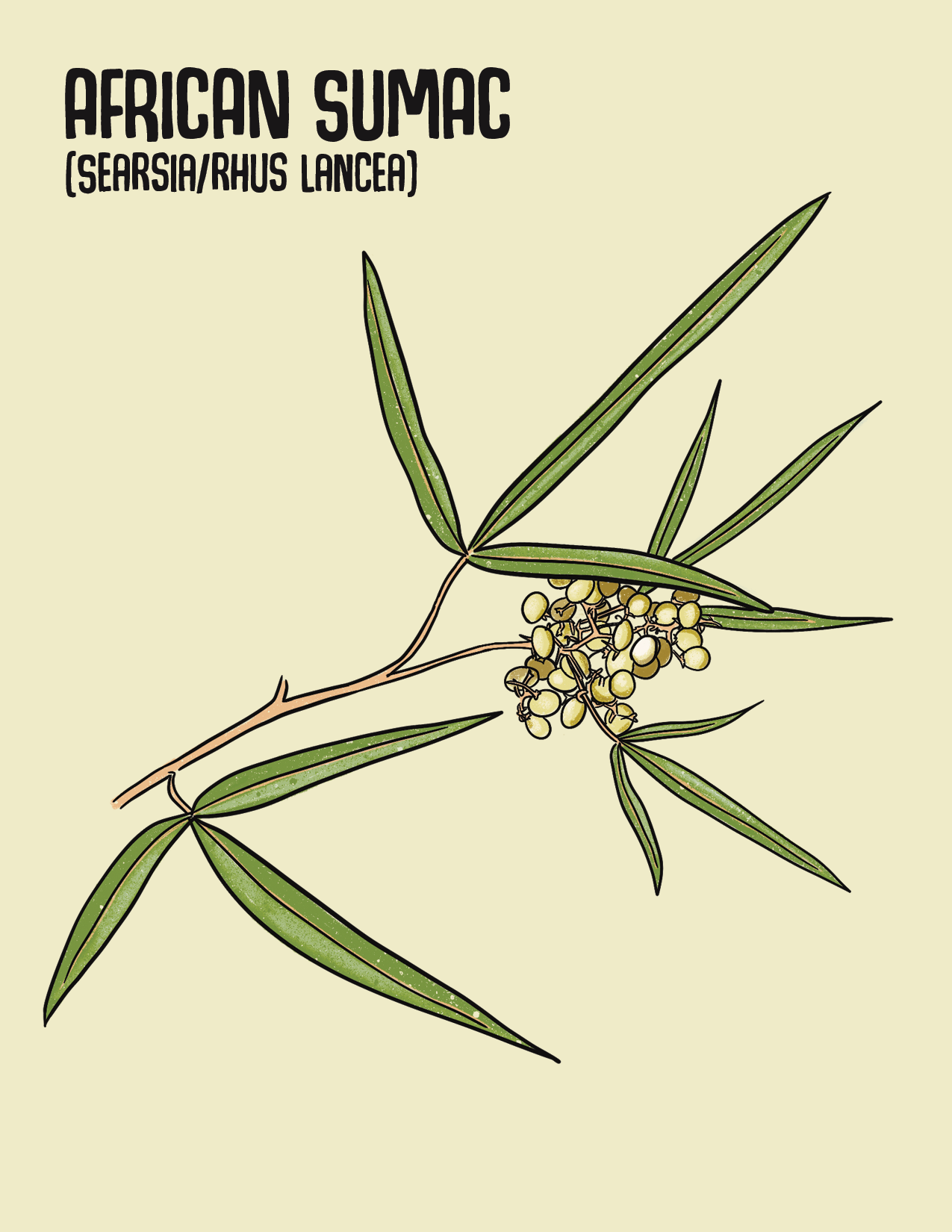
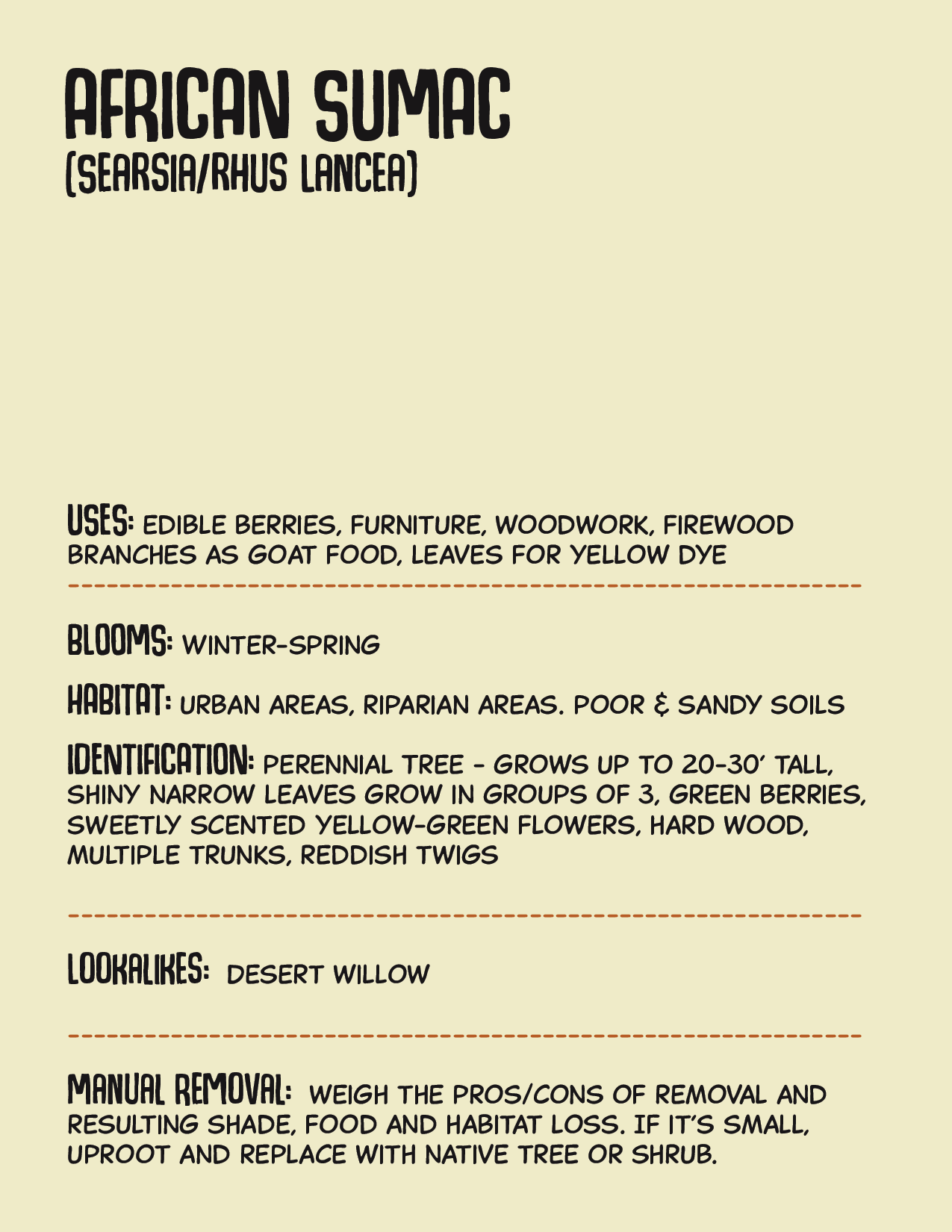
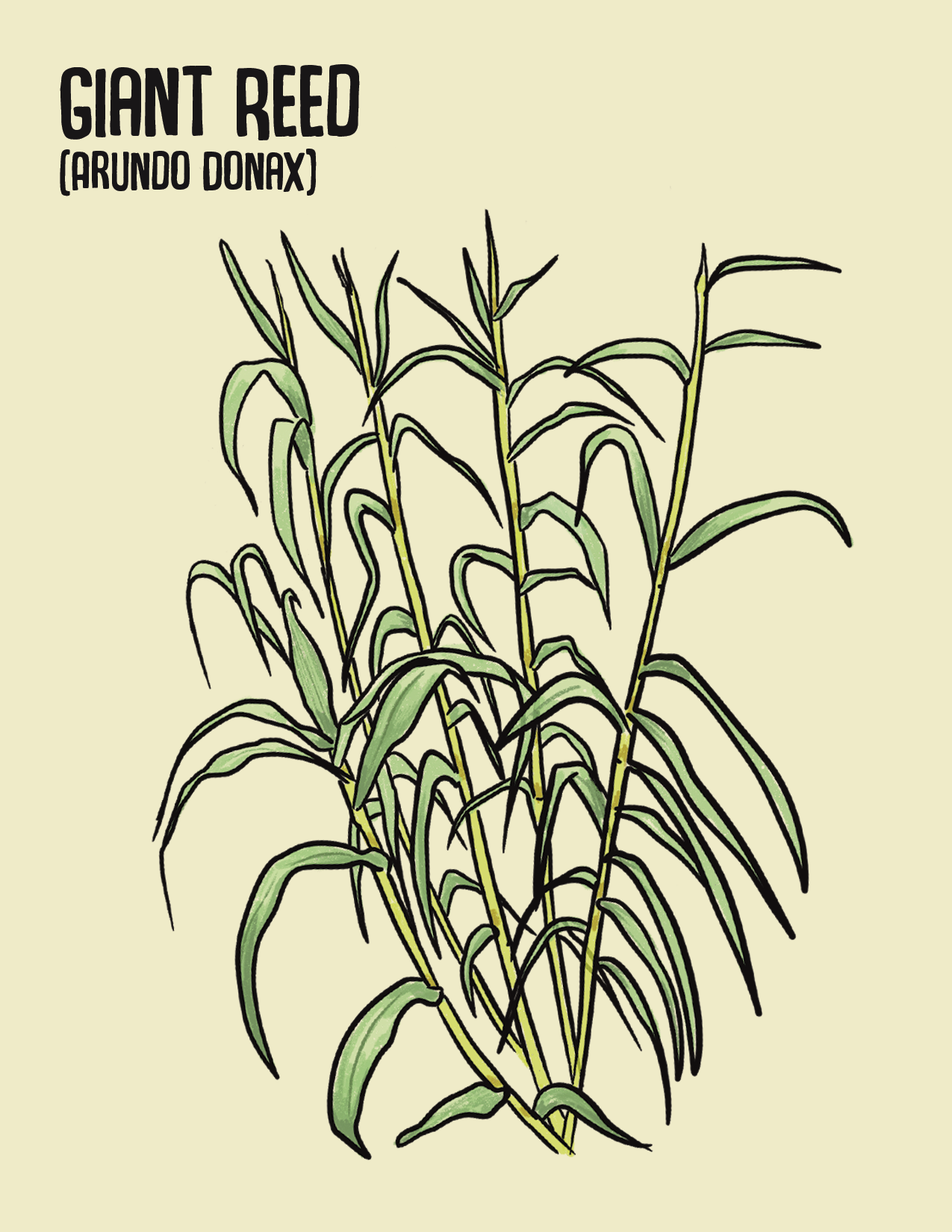
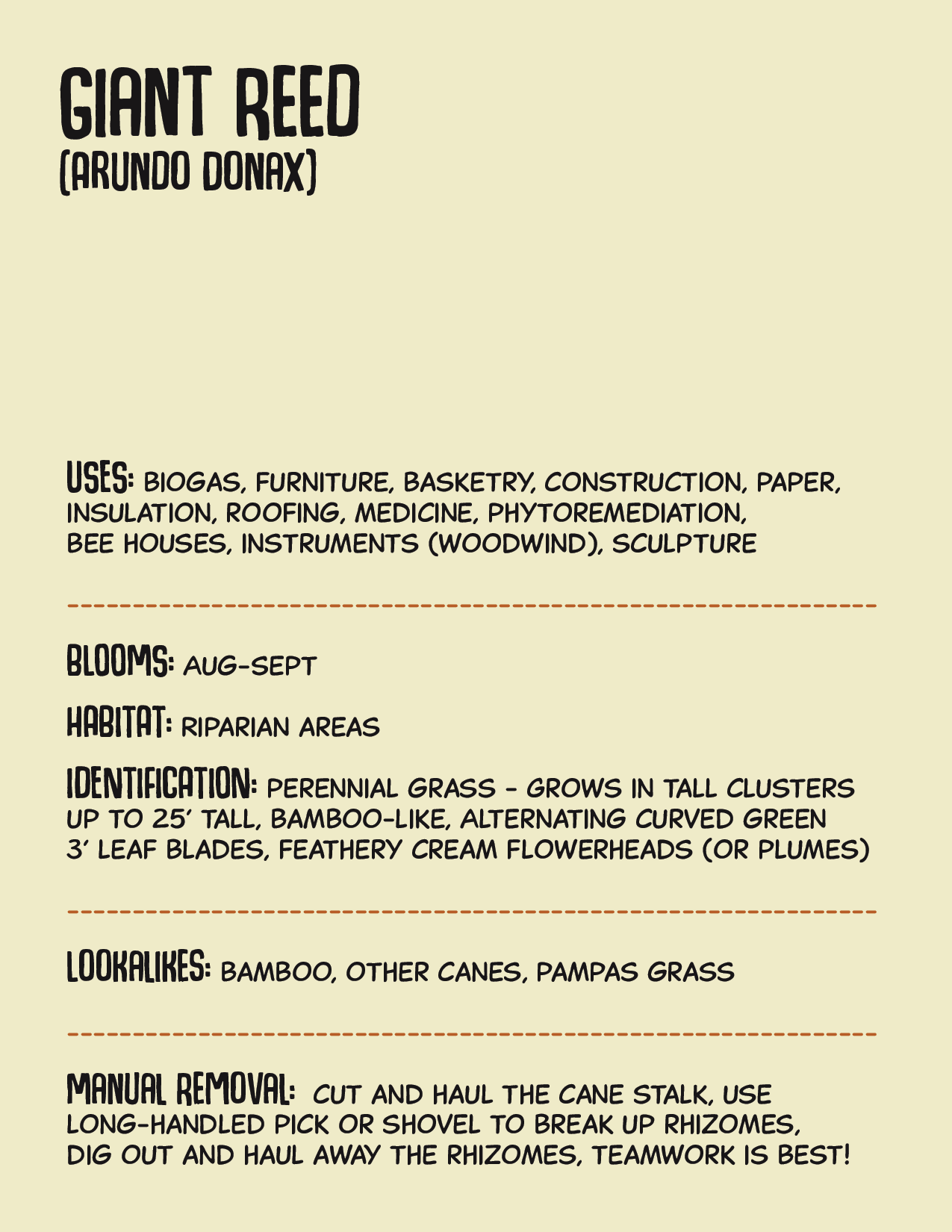
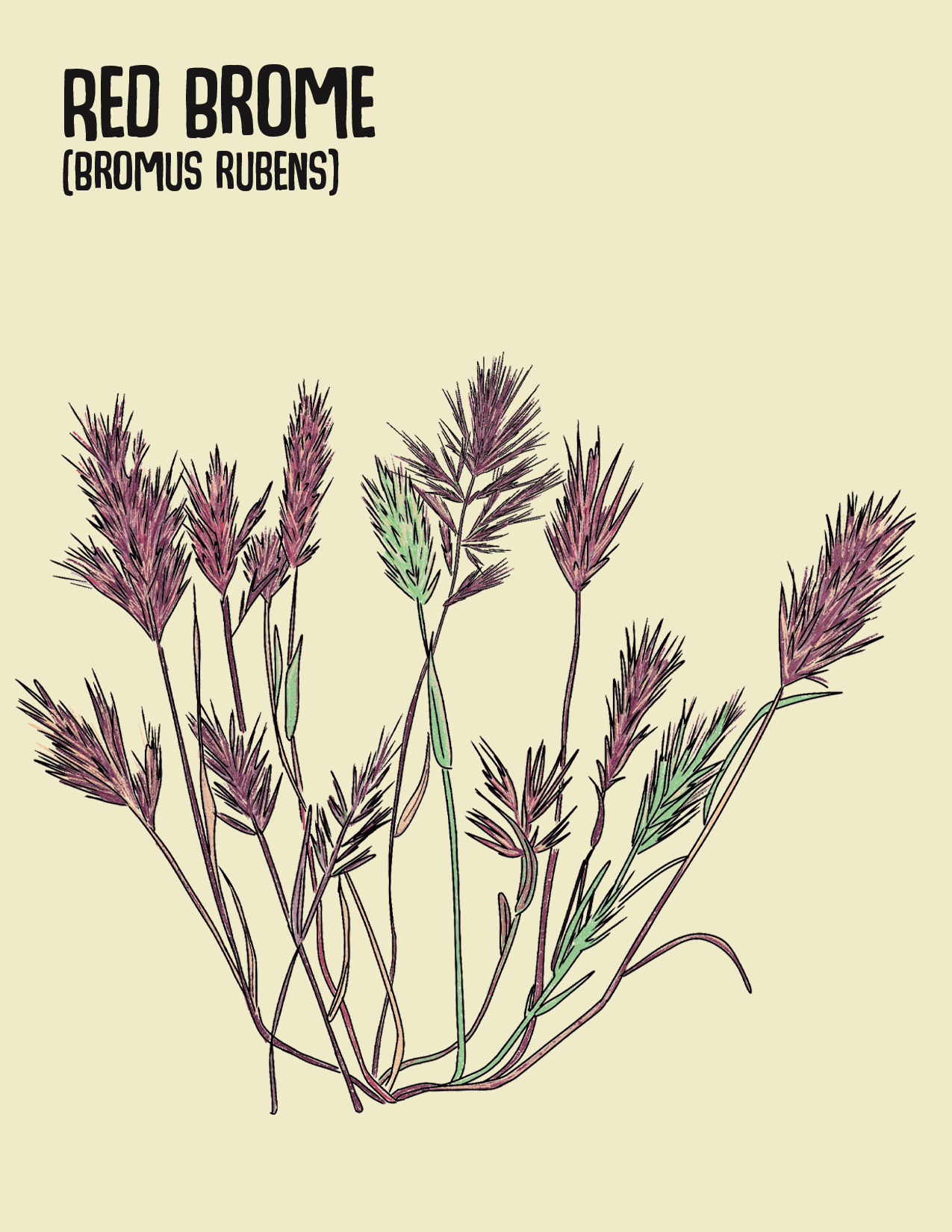
* PLEASE NOTE: I am not an expert and this is not a foraging guide or comprehensive list. It’s a growing resource guide.
Please do your own research and gather from credible sources, especially when it comes to consumption as there are often plant lookalikes that can be hazardous and toxic to consume or handle. Even edible and/or medicinal plants can be hazardous when misused. Check the list below to explore further.

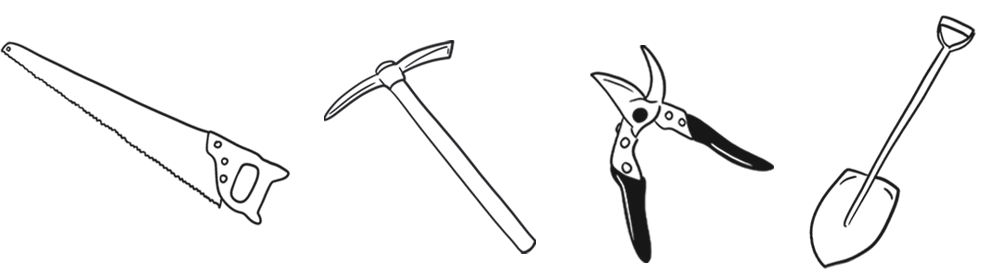
-
Make sure to properly identify as there are many lookalikes.
Don’t eat anything you cannot 100% identify or use.
Practice good intention and bring a decolonialized mindset
Offer something in its place: poem, plant, song, native seed
Don’t collect or consume anything you cannot identify or use
Removing native species can facilitate spreading invasives
Boot brush your tires & shoes when done to reduce spread
Unlike native plants, removal of these plants is encouraged
Limit seed and root spread through intentional handling
-
CRAFT - Grassweaving Technique (may work for fountain grass)
CRAFT - Giant Reed - 8 Uses
FOOD - Falling Fruit - collaborative map of the urban harvest
FOOD - Native Food Guide (English & Espanol) - Desert Harvesters
FOOD - Firefly Forest
FOOD - The Forager’s Path
FOOD - Savor the Southwest
MEDICINE - Desert Tortoise Botanicals - John Slattery
MEDICINE/FOOD - SW Foraging & Medicinal Plants - Slattery
MEDICINE - Albuquerque Herbalism
-
-
AZ Desert Museum: Zoo, natural history museum and botanical garden that provides education and conservation; co-organizes volunteer invasive species removal events.
AZ Native Plant Society: They promote knowledge, conservation and restoration of Arizona native plants and their habitats.
Borderlands Restoration Network: partner to grow a restorative economy by rebuilding healthy ecosystems, restoring habitat for plants and wildlife, and reconnecting border communities to the land through shared learning.
Central AZ Conservation Alliance (CAZCA): Collaborative, community science program focused on finding, mapping and removing invasive species at local parks and preserves.
Coalition for Sonoran Desert Protection: Coalition of SW groups who seek to protect and restore the Sonoran Desert in southern Arizona.
Native Seed Search: Nursery that educates and conserves and shares seeds of the SW.
Spadefoot Nursery:Local nursery featuring pesticide-free native and desert-hardy plants and knowledge.
SW Vegetation Management Assoc (SWVMA): fosters cooperation between vegetation managers and increase awareness about invasive vegetation.
Sonoran Desert Cooperative Weed Management Area (SDCWMA): prevention and management (including removal tips) of invasive plant species in Pima County.
Sonoran Institute Resource Guide: Invasive Plant Management in the Sonoran Desert
Transforming Terrain - Skillshare & Plant Workshops
Tucson Bird Alliance: Invasive Education, Plant Mapping and Treatment
UofA Cooperative Extension: AZ invasive plant research.
Watershed Management Group(WMG): provides people with knowledge, skills and resources for sustainable livelihoods. Frequent monitoring of waterways and Giant Arundo removal.
INVASIVE.org: Database of Invasive species in North America.
US Dept of Agriculture: Field guides for managing invasive species.
-


* Interested in sharing more about these plants and contributing to this resource page and/or the zine?
Seeking contributors that have interacted with these plants for craft, medicine, food, construction, science, etc. Email revoltaarttucson@gmail.com


-
Giant Reed removal
Saturdays
8:00 AM - 12:00 PM
Location: Tanque Verde Creek/Wentworth Rd
Help protect and restore the beauty and flow of Tanque Verde Creek.
Work alongside Watershed Management staff and River Run Network volunteers in a stunning riparian area to remove Arundo Donax (giant reed)—an invasive plant that drinks 3-4 times more water than native species, threatens wildlife habitat, and increases flood and fire risks.
-
Buffelgrass Removal
2nd Saturdays
8:00 AM - 10:30 AM
Location: Kolb Executive Park at 1550 N Kolb Rd.
Help remove buffelgrass from the Pantano Wash! The goal is protecting our precious Pantano from invasive species, and mitigating fire risk.. Volunteers should be comfortable working on uneven terrain in the heat. Drinks and snacks provided after the event.
Tools Provided: Yes
Bring: Water (2+ liters), snacks, backpack, sunscreen
Wear: Long sleeves, long pants, hat -
Buffelgrass removal
3rd Saturdays
2nd & 4th Wednesdays
8:00 AM - 12:00 PM
Location: A Mountain
Join Sonoran Desert Weedwackers to remove buffelgrass! Volunteers should be comfortable with strenuous work, hiking up hills and working off trail on rocky terrain. Snacks + drinks provided.
Tools Provided: lightweight digging bars, rock picks, work gloves
Bring: water (2 liters), snacks, backpack, sunscreen
Wear: hiking boots/sturdy shoes, pants, sun protection (hat, sunglasses, long sleeves) -
Buffelgrass Removal - Marana
3rd Wednesdays
7:00 AM - 11 AM
Location: Wild Burro Trailhead Parking Lot. Just past the Ritz-Carlton attendant shack
Volunteers work alongside experts to identify and remove non-native species that threaten the health of our local ecosystems. This hands-on experience contributes to preserving the natural beauty and biodiversity of parks and provides an educational opportunity to learn about native flora and the impacts of invasive plants. Ages 16 and Up.
Tools Provided: Yes
Bring: Water, snacks, sun protection
Wear: Long sleeves, long pants, closed toe shoes -
Pima County
Weekly Opportunities
Education
Stewardship
Community Science
Pima County Conservation Lands and Resources relies heavily on the generosity of volunteers who assist with public education and outreach, stewardship projects, and data taking. Below are some of the volunteer opportunities available.